Yellow Rabbit: The Handwritten Font That Feels Like a Warm Hug
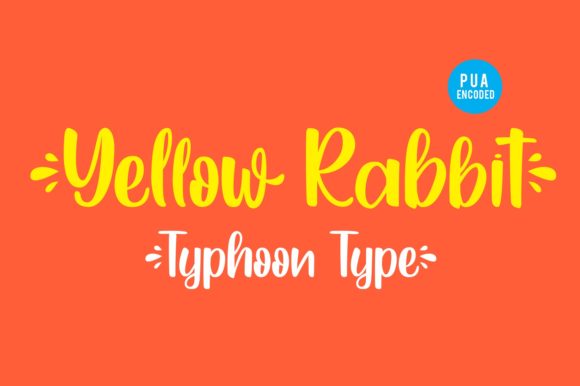
There’s a particular kind of magic in a font that doesn’t just sit on a page but speaks with personality. You know the feeling—when you open a greeting card and the typography makes you smile before you’ve read a word, or when a small business logo feels instantly approachable and trustworthy. That’s the space where Yellow Rabbit lives. It’s a cute and casual handwritten font with an incredibly friendly feel, designed to inject warmth and authenticity into any creative project. Forget stiff, corporate lettering; this typeface is for brands and creators who want to connect on a human level.
More Than Just a Pretty Typeface: Where Personality Meets Purpose
At its core, Yellow Rabbit is a display font, meaning it’s crafted to grab attention in headlines, logos, and short bursts of text. Its visual appeal lies in its organic, hand-lettered quality. The strokes are smooth and slightly rounded, avoiding any harsh edges. This creates a sense of approachability and casual confidence. It’s not trying to be perfect; it’s trying to be real. This makes it an exceptional choice for projects where the goal is to evoke feelings of joy, creativity, and sincerity. Think of it as the typographic equivalent of a friendly wave or a handwritten note left on a coworker’s desk.
When you’re building a brand identity, every visual element tells a part of your story. A sharp, geometric sans serif might say “efficient and modern,” while a classic serif whispers “tradition and authority.” Yellow Rabbit says, “We’re here to help, we’re creative, and we don’t take ourselves too seriously.” For a children’s boutique, a local bakery, a yoga instructor, or a handmade jewelry maker, this font can become the cornerstone of a recognizable and beloved visual language.
Practical Applications: From Screen to Print and Everything In Between
The true test of any creative font is its versatility. Where can you actually use Yellow Rabbit to make a difference? The applications are surprisingly broad, spanning both digital and physical realms.
- Logo Design & Branding: This is Yellow Rabbit’s sweet spot. Use it for your primary logo or as a complementary wordmark. Its friendly nature helps a new business feel instantly welcoming. Pair it with a simple sans serif font for body text to create a balanced and professional font pairing.
- Social Media Graphics: In a fast-scrolling feed, personality stops thumbs. Yellow Rabbit is perfect for Instagram quotes, Facebook sale announcements, Pinterest pins, and TikTok overlays. It adds a layer of authenticity that stock fonts simply can’t match, helping your social media graphics feel more personal and engaging.
- Packaging & Labels: Imagine this font on a artisanal jam jar label, a candle box, or a thank-you card tucked into an e-commerce order. It transforms a simple product into a curated experience, enhancing perceived value through thoughtful packaging design.
- Editorial & Web Design: While not for long paragraphs, it shines in magazine pull quotes, blog post titles, website headers, and call-to-action buttons. It can break the monotony of standard web typography and inject energy into a layout. For a blog focused on crafts or personal stories, it sets a perfect tone.
- Print Materials & Merchandise: From event posters and workshop flyers to tote bags and mugs, Yellow Rabbit carries its friendly vibe onto physical objects. It’s an excellent choice for marketing assets like postcards or stickers that you want people to keep and cherish.
- Invitations & Digital Products: Wedding invitations, baby shower announcements, or digital planners and worksheets—this font adds a handcrafted, personal touch that elevates the entire design. It’s a premium font that feels personal, not corporate.
Strategic Typography: Making Yellow Rabbit Work for You
Choosing a font like Yellow Rabbit is a strategic decision, not just an aesthetic one. To leverage it effectively, consider these practical tips from a design and branding perspective.
Context is King. Always consider your project’s goal and audience. Yellow Rabbit is fantastic for brands targeting families, creatives, and consumers who value authenticity. It might be less suitable for a law firm’s annual report or a fintech app’s dashboard, where clarity and neutrality are paramount. Understanding this match between typography and project goals is crucial.
Master the Pairing. A handwritten font like Yellow Rabbit rarely works well alone for extensive text. Its strength is in display use. The key is to pair it with a highly readable, neutral typeface. A clean sans serif like Lato or Open Sans for body copy creates a beautiful contrast that is both dynamic and easy on the eyes. This pairing ensures your visual consistency while maintaining excellent readability.
Test for Readability. Before you finalize any design, test it. Zoom out. View it on a phone screen. Print a sample. Handwritten fonts can sometimes have tricky letter combinations. Ensure that words are legible at the size they’ll be used, especially for important information like a business name or event details. This step is non-negotiable for professional presentation.
Explore the Font Styles. Many premium fonts like Yellow Rabbit come with more than just the base style. Check if it includes alternates, ligatures, or stylistic sets. These extra glyphs can add even more flair and uniqueness to your designs, allowing you to customize the feel further and avoid a generic look.
Understand the License. For any commercial project—whether it’s a client logo, a product you sell, or a monetized blog—you must have the correct commercial font license. Reputable foundries provide clear licensing terms. This isn’t just a legal formality; it’s about respecting the work of the type designer and ensuring you have the rights to use the font in your specific context, be it for logo design, merchandise, or digital goods.
A Final Thought on Authentic Connection
In a digital landscape saturated with polished, impersonal graphics, a touch of humanity goes a long way. Yellow Rabbit isn’t just another script font; it’s a tool for fostering connection. It allows a small business owner to communicate their passion directly, helps a content creator share their voice with more warmth, and enables a designer to craft visuals that feel genuinely inviting. By choosing a typeface that aligns with the emotional core of your project, you’re not just designing—you’re communicating with intent and building a brand that people remember and feel good about.