Babyday: A Handwritten Font That Feels Like a Hug
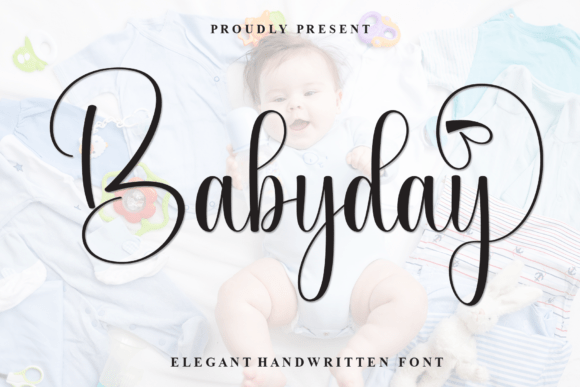
There are fonts that shout for attention, and then there are fonts that lean in and whisper something warm. Babyday belongs firmly in the second category. This handwritten display typeface doesn't just sit on the page—it feels like it's reaching out to connect with whoever's looking at it. Its rounded letterforms, gentle curves, and slightly imperfect strokes give it the kind of personality that makes people smile before they've even read a single word. For designers, entrepreneurs, and creators who want their work to feel approachable and genuine, this font offers something increasingly rare in the world of modern typography: actual warmth.
What Makes Babyday Different from Other Handwritten Fonts
The handwritten font category is crowded. A quick scroll through any font marketplace will turn up hundreds of script fonts and casual typefaces all claiming to be friendly and playful. So what sets Babyday apart? It comes down to balance. Many handwritten fonts go too far in one direction—too loose, too childish, too messy to read at small sizes. Babyday threads the needle between personality and legibility. Each character has enough consistency to work in real-world applications while still feeling organic and hand-drawn.
The letter spacing is generous without being wasteful. The baseline has a natural wobble that mimics actual handwriting rather than looking like a computer tried to fake it. And the overall weight sits in a sweet spot that works across both digital screens and printed materials. Whether you're designing a logo for a small bakery or laying out social media graphics for a lifestyle brand, the font adapts without losing its charm.
Where This Typeface Shines: Real Applications for Real Projects
Let's talk specifics, because a font's value isn't in how it looks on a specimen sheet—it's in how it performs across actual design projects. Babyday is a premium font that earns its place in a designer's toolkit through versatility.
Branding and Logo Design — For businesses that want to project friendliness and authenticity, Babyday works beautifully as a primary or secondary typeface in a brand identity system. Think children's clothing lines, boutique coffee shops, handmade soap companies, or independent bookstores. Paired with a clean sans serif font for body text, it creates a visual hierarchy that feels both professional and personal.
Packaging Design — On product labels, box designs, and hang tags, this handwritten font adds a tactile quality that suggests care and craftsmanship. It's especially effective for artisan food products, cosmetics, candles, and any goods where the "made with love" message matters to the buyer.
Wedding Invitations and Event Stationery — This is where Babyday practically begs to be used. Its sweetness and elegance make it ideal for save-the-dates, RSVP cards, menus, and table numbers. The playful attributes soften formal layouts without making them feel cheap or juvenile.
Social Media Graphics and Digital Content — Instagram quotes, Pinterest pins, YouTube thumbnails, and Facebook headers all benefit from typefaces that stop the scroll. Babyday's distinctive look gives digital content a handmade quality that stands out against the sea of generic sans serif and serif font choices most brands default to.
Website Design and Blog Headers — Used sparingly for headlines, pull quotes, or accent text, this creative font adds personality to web design without sacrificing the readability that comes from pairing it with a straightforward body font. It works particularly well for lifestyle blogs, parenting sites, recipe pages, and creative portfolios.
Print Materials and Marketing Assets — Flyers, postcards, thank-you cards, business cards, and poster designs all benefit from a typeface that feels approachable. For small business owners who handle their own marketing materials, Babyday provides a professional polish that doesn't require a design degree to implement effectively.
Merchandise and Editorial Design — Tote bags, mugs, t-shirts, and sticker sheets gain personality with this font. In editorial layouts, it works as a contrast element—pulling readers into feature stories, section headers, or sidebar callouts with its inviting visual rhythm.
Pairing Babyday with Other Fonts
One of the most practical skills in typography is knowing how to combine typefaces. A display font like Babyday is meant to be the star of the show, but every star needs a supporting cast. The key is contrast without conflict.
Pair it with a geometric sans serif font for a clean, contemporary feel. Think of something like Montserrat, Poppins, or Lato handling the body copy while Babyday takes on headlines and accent text. The geometric precision of the sans serif grounds the organic nature of the handwritten font, creating a balanced visual conversation.
Alternatively, try matching it with a simple serif font for projects that need a touch more sophistication. The combination of a playful script with a traditional serif can feel both elegant and approachable—perfect for wedding stationery or boutique branding.
The important thing is to test your font pairings in context. Don't just set them side by side in a blank document. Mock them up in the actual deliverable—a business card, a website header, a product label. Read them at the sizes they'll actually appear. What looks charming at 48 pixels might become illegible at 12.
Readability: The Non-Negotiable Consideration
Every creative font walks a tightrope between personality and clarity. Babyday handles this well, but smart designers still need to make thoughtful choices about where and how they use it. Here's the honest truth: handwritten display fonts are not meant for long paragraphs of body text. No matter how beautiful a script font looks, asking people to read 200 words of it on a screen will frustrate them.
Use Babyday for headlines, short phrases, logos, and accent text. Let a more neutral typeface handle the heavy lifting of paragraphs and product descriptions. This approach doesn't diminish the handwritten font's impact—it actually amplifies it by creating contrast and drawing the eye to the moments that matter most.
Pay attention to letter spacing and line height when working with this typeface in digital contexts. Slightly increased tracking can improve legibility at smaller sizes, while generous line spacing prevents the ascenders and descenders from colliding in multi-line layouts.
Licensing and Practical Considerations for Commercial Use
If you're planning to use Babyday for client work, merchandise, or any commercial application, take a moment to review the licensing terms before you start designing. Most premium fonts come with specific licenses that outline what's permitted—desktop use, web embedding, app integration, and print-on-demand each sometimes require different permissions.
For designers working across multiple projects, an extended commercial license often makes more financial sense than purchasing individual licenses per project. Small business owners creating their own branding materials should verify that their license covers the specific use case, especially if they plan to sell products featuring the font.
Also check what's included in the font package. Many handwritten fonts ship with multiple styles—regular, bold, italic, or alternates with different swash options and ligatures. Understanding what's available helps you get the most value from the typeface and opens up more creative possibilities in your designs.
Making the Most of a Font with Personality
The real magic of a typeface like Babyday isn't in its technical specifications—it's in the feeling it creates. When someone picks up a wedding invitation and smiles, when a customer pauses on a product label because it looks handmade, when a social media post gets saved because the typography feels genuine—that's when a font earns its place in your design assets collection.
The best results come from using this font with intention. Don't sprinkle it across every element of a project. Choose the moments where its sweetness and friendliness will have the most impact, and let it do its work there. A little goes a long way with display fonts that carry this much personality.
For designers building brand systems, content creators developing visual templates, or small business owners crafting their own marketing materials, Babyday offers a reliable way to inject joy and creativity into projects without sacrificing professionalism. It's the kind of typeface that makes people feel something—and in a world oversaturated with sterile, forgettable design, that emotional connection is worth more than any technical feature on a font spec sheet.