Haritage Graduating: The Handwritten Font with a Story to Tell
There’s a specific kind of warmth that only a handwritten font can bring to a design. It’s the feeling of a personal note, a sketch in the margin, or a signature that carries weight. In a landscape often dominated by sterile, geometric sans-serifs, a typeface with genuine character can be the difference between a design that’s seen and one that’s felt. This is where a font like Haritage Graduating enters the conversation, not just as a set of letters, but as a tool for injecting personality and narrative into your work.
More Than Just Pretty Letters: The Anatomy of a Timeless Script
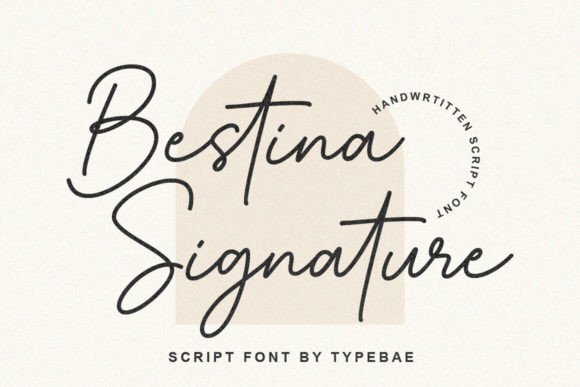
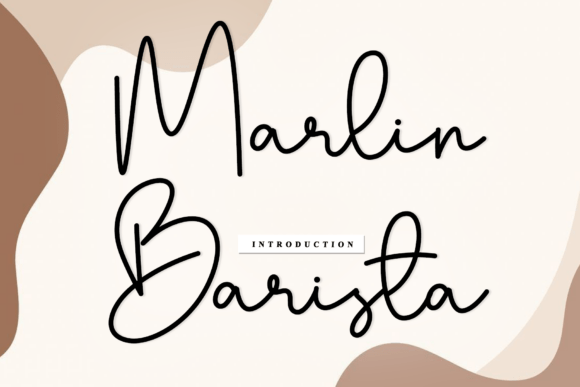
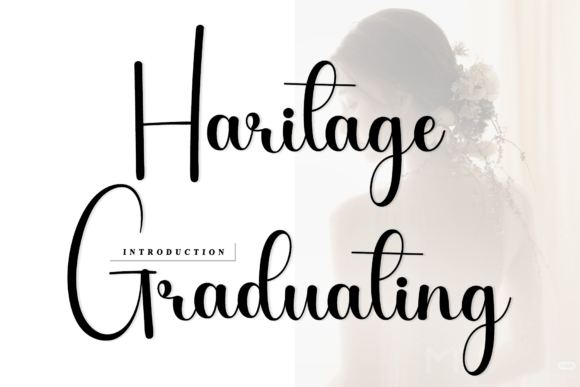
At first glance, Haritage Graduating presents itself as a lovely and timeless handwritten font. But what does that actually mean for a working designer or a small business owner? It’s in the details. Each letterform isn’t merely a trace of a digital pen; it carries a subtle, organic variation that mimics the pressure and flow of real ink on paper. This isn’t a monotonous script. You’ll notice slight differences in the connections, the baseline, and the terminals, which collectively prevent the text from looking artificial or repetitive. This inherent uniqueness is what makes it a premium font worth considering—it does a lot of the heavy lifting for you, providing built-in character that generic fonts lack.
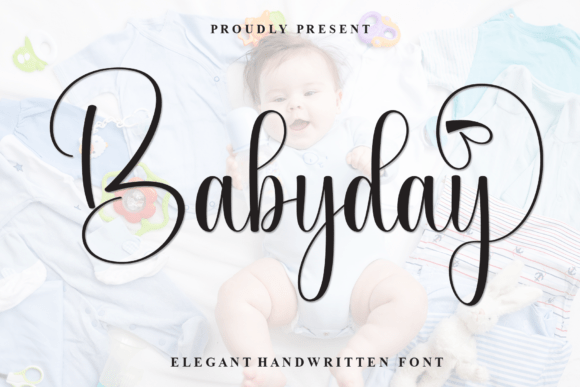
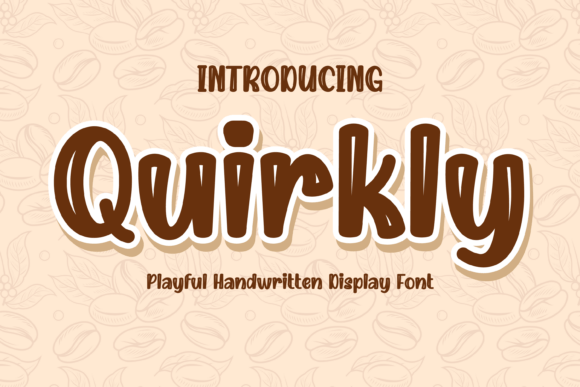
Its classification as a display font is crucial. This means Haritage Graduating is designed to shine at larger sizes, making its intricate details clearly visible. Think headlines, hero sections on a website, or the main text on a wedding invitation. Using it for long paragraphs of body copy would likely sacrifice the readability that is paramount for extended reading. Its strength lies in impact and emotion, not in setting a 500-word article. Understanding this distinction is the first step in choosing the right font style for your project goals.
Where Character Meets Commerce: Practical Applications
The true test of any design asset is its versatility in the real world. Haritage Graduating, with its balanced blend of elegance and approachability, finds a natural home in numerous contexts.
- Brand Identity & Logo Design: For brands that want to communicate authenticity, craftsmanship, or a personal touch, this typeface is a powerful ally. Imagine it paired with a clean sans serif font for a bakery’s logo, a boutique consultancy’s wordmark, or a artisan’s product label. It instantly establishes a brand identity that feels human and relatable.
- Packaging & Merchandise: On a coffee bag, a candle jar, or the sleeve of a t-shirt, Haritage Graduating can convey the story behind the product. It suggests something made with care, which can justify a premium price point and foster deeper customer connection.
- Digital & Social Media: In the fast-scrolling world of Instagram or Pinterest, a striking header in a handwritten font can stop a thumb. Use it for quote graphics, announcement posts, or story highlights to add a layer of curated personality. For web design, it’s perfect for a hero headline or a call-to-action button that needs to feel inviting rather than commanding.
- Editorial & Print Layouts: Magazines, lookbooks, and brochures can use such a script font for pull quotes, chapter titles, or featured article headers. It breaks up the monotony of standard text, guiding the reader’s eye and emphasizing key messages.
- Invitations & Special Projects: This is its most intuitive environment. Wedding stationery, event posters, and greeting cards benefit immensely from the formal yet personal aesthetic a font like this provides.
Building a Visual System: Pairing and Professionalism
Using a decorative font effectively is rarely about using it in isolation. The concept of font pairing is essential to achieving visual consistency and a professional presentation. Haritage Graduating, as a display font, acts as the star of the show. To let it perform, it needs a supporting cast—typically a highly readable serif font or sans serif font for body text, subheads, and supporting information.
A practical approach is to create a hierarchy. For example:
- Primary Headline: Haritage Graduating (for maximum impact and emotion).
- Secondary Headline / Subheads: A sturdy, geometric sans-serif (for clarity and contrast).
- Body Copy: A neutral, highly legible serif or sans-serif (for comfortable reading).
This structure ensures your main message is delivered with flair, while all other information remains accessible and easy to scan. Always test your pairings in context—see how they look on a mockup of a business card, a website header, and a social media graphic. Pay close attention to the balance of weight, size, and spacing.
Licensing and Long-Term Value
When investing in a commercial font, the license is as important as the design itself. A reputable font like Haritage Graduating will come with a clear license specifying its permitted uses. Typically, a standard license covers usage in logos, websites, and print materials for a single client or brand. If you plan to use it for a product you sell (like a t-shirt with the font as part of the design) or in a digital product (like a Canva template for sale), you may need an extended or commercial license.
Always review the included license details before purchasing. This isn’t just about legal compliance; it’s about respecting the work of the type designer and ensuring your project’s foundation is secure. A well-chosen typeface becomes a core component of your brand identity, so viewing it as a long-term asset rather than a one-time expense is wise.
Ultimately, a font like Haritage Graduating offers a specific solution: the ability to infuse digital and physical projects with the nuanced, imperfect beauty of human handwriting. It’s a tool for creating moments of connection, for telling a story that feels genuine, and for building a visual language that stands apart from the algorithmically perfect. Its value isn’t just in its aesthetic, but in its capacity to make your audience feel something real.