Angelicha: Where Gothic Tradition Meets Modern Edge
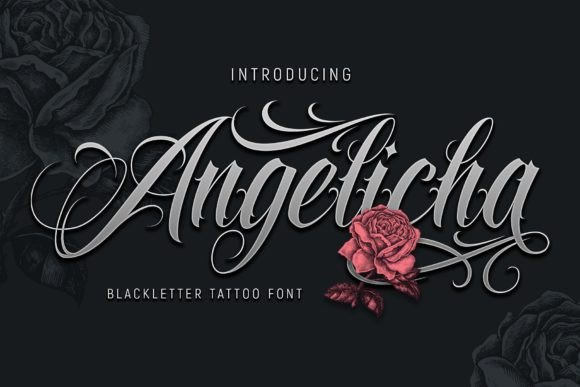
There’s a certain energy that comes with blackletter typography. It’s bold, unapologetic, and carries a weight of history that instantly commands attention. Angelicha is a contemporary blackletter tattoo font that channels this energy with a fresh, modern twist. It’s not your grandfather’s Old English script—it’s a typeface designed for today’s creative landscape, one that feels equally at home on a craft brewery logo, a band poster, or the header of a stylish blog. If you’ve been searching for a font that bridges the gap between classic grit and clean design, you’ve likely just found your new favorite tool.
A Typeface with Personality and Purpose
What sets Angelicha apart from other blackletter fonts is its deliberate balance. Many traditional gothic scripts can feel heavy, overly ornate, or difficult to read at smaller sizes. Angelicha retains the distinctive vertical stress and sharp, angular strokes that define the blackletter style, but it streamlines them. The letterforms are slightly simplified, with careful attention to spacing and flow. This makes it incredibly versatile. It’s a premium font that doesn’t sacrifice legibility for style, a common pitfall in the display font category. Whether you’re setting a single impactful word or a short headline, the characters connect visually without creating a cluttered, illegible block.
From a designer’s perspective, this is a font with a clear point of view. It speaks to projects that need to convey strength, authenticity, or a touch of rebellious spirit. Think of a tattoo parlor’s brand identity, a streetwear label, or a music festival poster. Yet, its contemporary refinement also allows it to work in more unexpected contexts. Imagine it as a striking initial cap in an editorial layout or as the masthead for a niche magazine about craftsmanship or vintage motorcycles. It’s a creative font that invites experimentation.
Practical Applications Across Your Projects
The true test of any design asset is how it performs in the real world. Angelicha shines in a variety of applications, making it a valuable addition to any designer’s toolkit. Its bold presence is perfect for creating instant visual hierarchy. Use it for logos and wordmarks where you need immediate brand recognition. For packaging design, it can lend an artisanal, handcrafted feel to products like hot sauces, craft spirits, or specialty coffee. On social media graphics, a few words set in Angelicha can stop the scroll and add a layer of depth to your visual storytelling.
Consider these specific uses:
- Branding & Identity: Build a cohesive visual language for brands in the entertainment, apparel, or lifestyle sectors.
- Print Materials: Design eye-catching posters, flyers, and event invitations that demand attention.
- Merchandise: Create compelling designs for t-shirts, hats, and other apparel.
- Digital Presence: Use it for website headers, blog titles, or digital product covers to establish a strong aesthetic.
- Editorial Design: Incorporate it into magazine layouts, book covers, or album art for a dramatic focal point.
The key is to use it strategically. Because it’s a strong display font, it’s best suited for headlines, titles, and short bursts of text rather than body copy. Pair it with a clean, simple sans serif font for maximum impact and readability. This contrast allows Angelicha to do what it does best—grab attention—while the supporting typeface handles the detailed information.
Matching Typography to Your Creative Goals
Choosing the right font is a strategic decision, not just an aesthetic one. Your typography is a silent ambassador for your brand’s personality. Angelicha communicates confidence, edginess, and a respect for tradition blended with modern sensibility. Before you integrate it, ask yourself: Does this align with the story I’m trying to tell? A vintage-inspired café might use it for its logo, while a tech startup would likely choose a different path. Understanding this alignment is crucial for building effective brand recognition.
When testing font pairings, look for harmony. A geometric sans serif like Montserrat or a simple serif like Lora can provide a clean, readable counterpoint. The goal is visual consistency across all your marketing assets. If Angelicha is your headline font, use it consistently on your website, your social media posts, and your printed materials. This repetition builds a professional presentation that audiences will begin to associate with your quality and style.
Working with Font Styles and Licensing
Most contemporary fonts, including Angelicha, often come with multiple styles or weights. This might include regular, bold, or even slightly distressed versions. Take the time to review all the included options. A distressed version might be perfect for a vintage poster, while a cleaner cut could be better for a sleek logo. Experiment with these variations within your project to see which best serves your specific context.
Equally important is understanding the commercial license that accompanies the font. If you’re using Angelicha for client work, merchandise for sale, or any project that generates revenue, you must ensure you have the correct license. Reputable font foundries provide clear licensing information. Using a font commercially without the proper license can lead to legal issues down the line, so this is a critical step in your professional workflow. Treat your fonts as you would any other professional tool or asset—respect the creator’s terms.
Ultimately, typography is about communication. A font like Angelicha offers a powerful voice for specific messages. It’s not the right choice for every project, but for those that call for its unique blend of history and contemporary flair, it can elevate the entire design. By applying it thoughtfully, testing it thoroughly, and pairing it wisely, you can harness its character to create work that is not only visually engaging but also strategically sound. The results, as many designers will attest, are often something you’ll genuinely love.