The Art of the Circle: Why This Monogram Font Feels So Personal
There is something inherently captivating about the circle. It represents unity, eternity, and completeness. In the world of typography, when you combine that perfect geometric shape with the elegance of calligraphy, you get something truly special. For designers and creatives, finding a typeface that feels both timeless and fresh can be a challenge, especially when the goal is to create a deep connection with the audience. You want something that feels handcrafted, intimate, and distinct, yet structured enough to maintain a professional edge. This is where the intersection of shape and script becomes a powerful tool for visual storytelling.
Beyond Basic Typography: Understanding the Aesthetic
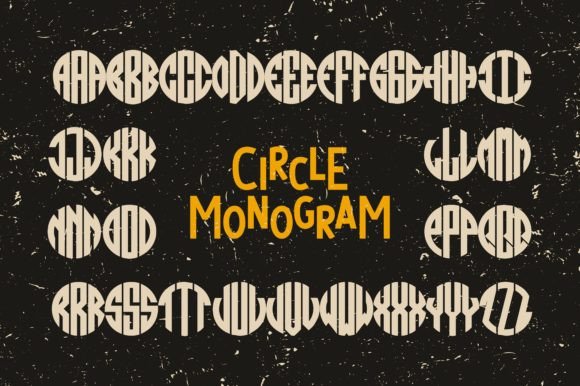
The specific charm of a circle-based monogram lies in its ability to frame the written word. Unlike standard serif fonts or modern sans serif fonts that stand alone on a line, a monogram style creates a focal point. It acts like a badge or a seal, instantly communicating authority and care. When looking at a premium font like the one described here, the appeal is in the "three-word calligraphy" style. It suggests a narrative—a first name, a last name, and perhaps a descriptor or a date—all woven together into a single, cohesive visual unit.
This style is particularly effective because it balances complexity with readability. The circular flow guides the eye, while the distinct letterforms ensure that the message isn't lost in the decoration. For a small business owner or a creative entrepreneur, this is the "sweet spot" of design assets. You get the warmth of a handwritten font with the precision of a structured layout. It doesn't just sit on the page; it demands attention. The visual weight of a circle is heavy and grounding, making it an excellent anchor for a logo design or a brand identity kit.
Practical Applications: From Packaging to Pixels
One of the biggest hurdles in modern typography is versatility. A font might look stunning on a wedding invitation but fall apart when used on a website header or social media graphics. The strength of a well-designed monogram typeface, however, lies in its adaptability across different mediums. Because the design is contained within a circular structure, it scales remarkably well.
Consider the world of packaging design. If you are selling artisanal goods, candles, or skincare products, the label is your primary salesperson. Using a decorative typeface for the brand name creates an immediate impression of quality. It suggests that the product inside is just as curated as the label outside. The circular nature of the font mimics jar lids and bottle caps, creating a harmonious visual rhythm that feels intentional and professional.
For those in the digital space, the applications are just as broad:
- Social Media Branding: Profile pictures and watermarks often get cropped or lost in busy feeds. A circular monogram fits perfectly within the constraints of Instagram or Facebook avatars, ensuring your brand mark remains intact and recognizable.
- Website Design: Instead of a standard text header, a stylized monogram can serve as a unique "favicon" or a watermark on background images, adding a layer of depth to your web design.
- Digital Products: If you sell digital planners, e-books, or templates, incorporating a unique header font sets your product apart from the competition, justifying a premium price point.
It is also worth noting the importance of technical compatibility. A font that is PUA (Private Use Areas) encoded is a massive time-saver. For those who aren't deep into the technical weeds of design software, this simply means you can access all the special swirls, ligatures, and glyphs without needing specialized design software or extra plugins. You can copy and paste the special characters directly from a character map, making the creative process seamless for both Mac and PC users.
Strategic Pairing and Brand Consistency
While a display font like a circle monogram is a showstopper, it rarely works in isolation. The most successful brand identities rely on contrast. If your primary logo uses a complex, calligraphic style, your body text needs to be clean and highly legible. This is where the relationship between font pairing becomes critical.
Imagine a bakery using the Circle Monogram for its logo. The swirling letters evoke flour, dough, and tradition. However, if they used that same font for the menu descriptions or the "About Us" section on their website, it would become exhausting to read. Instead, pairing this decorative typeface with a clean sans serif font creates a visual hierarchy. The monogram grabs the attention, and the sans serif provides the necessary information without eye strain.
Here are a few practical tips for maintaining that balance:
- Limit the Decorative Elements: Use the monogram font sparingly. It is best reserved for headlines, logos, and pull quotes. Let it shine in short bursts rather than long paragraphs.
- Check the X-Height: When pairing fonts, look at the height of the lowercase letters. Ensuring your secondary font has a similar x-height to your primary font will make the layout look cohesive, even if the styles are different.
- Color and Texture: A calligraphic font often looks best in a single color—classic black or white—or textured to look like foil or letterpress. Avoid adding too many drop shadows or outlines, which can muddy the intricate details of the letterforms.
Commercial Licensing and Long-Term Value
For anyone building a business, the conversation about design assets must eventually turn to usage rights. There is a significant difference between a font used for a personal blog and one used on merchandise sold to the public. When investing in a creative font, it is vital to understand the licensing. Most premium fonts come with a license that covers commercial use, allowing you to print your logo on t-shirts, mugs, and business cards without legal grey areas.
This is an investment in your brand's visual consistency. Using a high-quality typeface ensures that your brand looks professional whether it is printed on a billboard or viewed on a mobile screen. It eliminates the "cheap" look that often comes with overused system fonts. By choosing a typeface with rich features and a distinctive personality, you are essentially future-proofing your brand's aesthetic. It allows you to evolve your marketing assets—seasonal packaging, holiday social media posts, new product lines—while keeping the core identity recognizable.
Ultimately, the goal of any typography choice is to facilitate a connection between the creator and the audience. A font with personality, like a circle monogram, does more than spell out words; it conveys mood, style, and professionalism. Whether you are designing a wedding invitation suite or launching a new startup, the right typeface acts as the silent ambassador of your brand, speaking volumes before a single word is actually read.