How to Use Sweet Handwriting for Elegant Branding
There’s a reason why the most memorable brands feel approachable and human, even when they are strictly digital. In a landscape saturated with rigid, geometric sans-serifs and corporate block letters, there is a growing desire for visual communication that feels personal. We want to connect with the people behind the business, not just the product. This is exactly why the Sweet Handwriting style has become a staple in modern design. It bridges the gap between professional polish and the warmth of a handwritten note, offering a distinct charm that static fonts often lack.
When we talk about typography that mimics the human hand, we aren't just talking about illegible scrawl. We are discussing a curated aesthetic—a specific typeface that captures the fluidity of ink on paper while maintaining the legibility required for commercial use. Whether you are a small business owner trying to soften your brand image or a designer looking for the perfect display font for wedding stationery, understanding how to wield this style effectively is key to standing out.
The Psychology of the Handwritten Look
Why does a font that looks like it was written with a marker or a fine-tipped pen resonate so deeply with audiences? It comes down to psychology and perception. Standard digital fonts, while excellent for body text, can sometimes feel cold or automated. A handwritten font, on the other hand, signals effort and authenticity. It suggests that a real person is speaking to the viewer.
This style is particularly effective for brands that want to emphasize femininity, creativity, or luxury without being stiff. Think about the difference between a generic "SALE" sign in Arial and one written in a flowing script font. The latter feels boutique; it feels curated. For businesses in the beauty, lifestyle, wedding, or artisanal food industries, this distinction is vital. The Sweet Handwriting aesthetic provides that immediate visual cue of care and elegance.
Practical Applications: From Screen to Print
The versatility of a well-designed premium font bundle lies in its ability to adapt to various mediums. It is not just about looking pretty; it is about functional design across different platforms. Here is how you can practically apply this font style to your creative projects:
Digital Presence and Social Media
On platforms like Instagram and Pinterest, visual hierarchy is everything. You need your headers to pop and your quotes to be shareable. Using a Sweet Handwriting typeface for Instagram stories or quote cards creates an instant focal point. It draws the eye because it contrasts with the standard UI fonts of the phone. For web design, these fonts are best reserved for hero section headers or pull quotes rather than long paragraphs. They add personality to a homepage without sacrificing the speed or readability of the site.
Branding and Logo Design
A logo is the face of your business, and typography plays a massive role in how that face is perceived. If you are running a boutique, a bakery, or a lifestyle blog, a logo design featuring a handwritten element can convey warmth and approachability. However, the key is balance. Pairing your handwritten logo font with a clean sans serif font for your body text creates a professional look that isn't messy. This contrast ensures that your brand looks established rather than amateurish.
Physical Products and Packaging
When you move from the screen to physical objects—like tumbler designs, sticker sheets, or product packaging—the texture of the font becomes even more important. Fonts with smooth curves and elegant swashes translate beautifully to vinyl cutting machines like Cricut or Silhouette. They are excellent for creating monograms or personalized labels. In packaging design, a handwritten style can make a mass-produced item feel like a handcrafted gift, adding perceived value to the product inside.
Navigating Font Pairings and Hierarchy
One of the most common mistakes in design is using too many decorative fonts at once. If your header is a complex script font, your sub-header and body copy should be grounded and simple. This is where the concept of font pairing comes into play.
A solid strategy is to treat the Sweet Handwriting style as your "accent" or "display" font. Use it for the main headline or a call to action. Then, select a sturdy serif font for a classic, editorial feel, or a geometric sans serif font for a modern, clean look to handle the heavy lifting of the text. This contrast creates a visual rhythm that makes the content easier to scan and more pleasant to read.
Consider the weight of the strokes as well. A very thin, delicate script might get lost on a busy background or at small sizes. Conversely, a bold, bouncy handwritten style might be overwhelming for a full-page header. Always test your typography at the actual size it will be viewed. What looks elegant on a 27-inch monitor might become an unreadable blob on a mobile screen or a small business card.
Ensuring Readability and Professionalism
While aesthetics are important, communication is the primary goal of design. A beautiful font is useless if your audience cannot read the message. This is particularly relevant with handwritten fonts, where flourishes can sometimes obscure letters.
When selecting a typeface from a bundle, look for one that offers clear distinction between letters. For example, the difference between a lowercase 'e' and 'l' should be obvious. If you are designing for accessibility, ensure there is enough contrast between the text and the background. A light grey handwritten font on a white background might look sophisticated, but it fails the readability test.
Furthermore, consider the licensing. If you are creating designs for clients or selling products like t-shirts or mugs, you need a commercial font. Always review the license included with your design assets. Most premium bundles allow for extensive commercial use, but it is your responsibility to ensure you are compliant, especially when scaling a business.
Aligning Typography with Project Goals
Ultimately, the choice to use a specific typeface should be driven by the goal of the project. Ask yourself: What emotion do I want to evoke?
- For Invitations: You want elegance and formality. A script with long, flowing tails works perfectly here.
- For Marketing Assets: You need energy and urgency. A bouncy, irregular handwritten style can feel fun and spontaneous.
- For Editorial Design: You need sophistication. A brush script that mimics ink can add an artistic flair to magazine layouts.
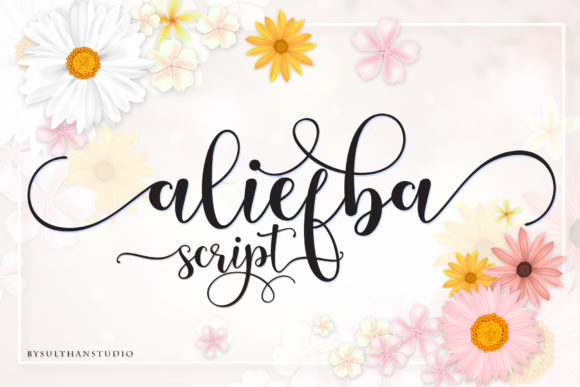
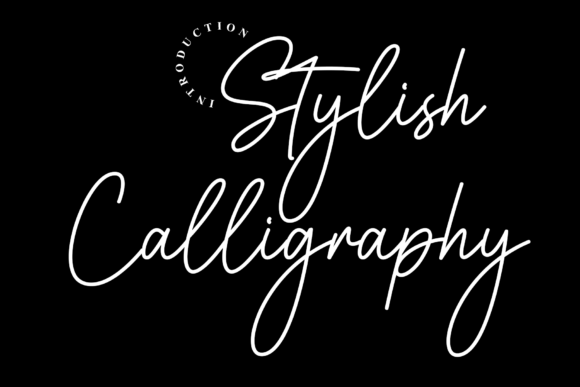
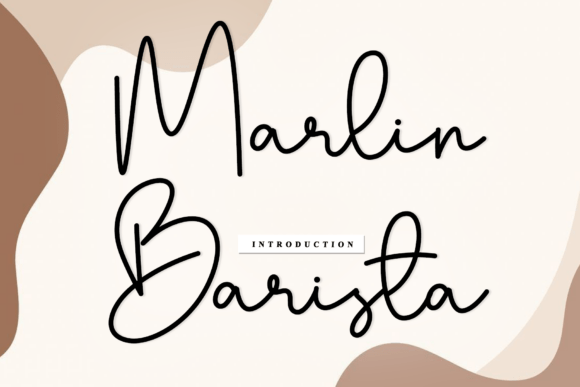
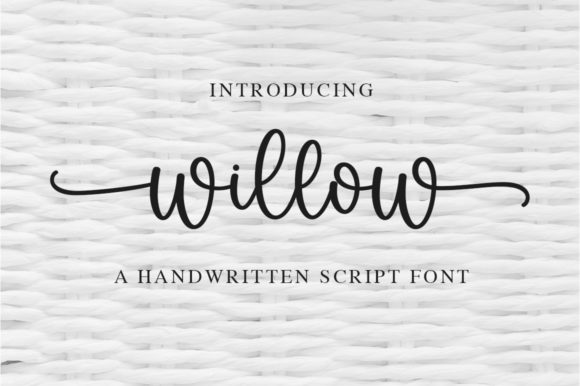
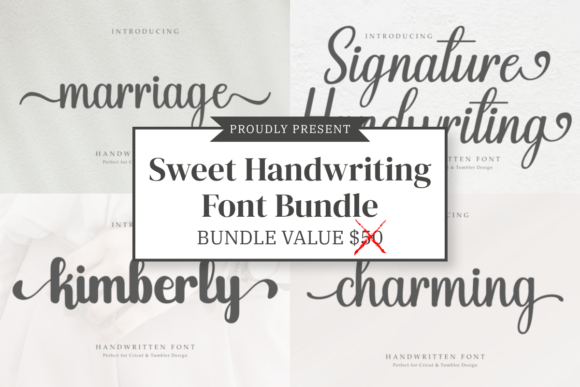
The Sweet Handwriting collection offers a variety of these nuances. By reviewing the included styles—ranging from casual marker looks to refined calligraphy—you can match the specific font personality to your brand voice. It is about finding the tool that amplifies your message rather than distracts from it.
In the end, great design is about details. The slight curve of a letter, the spacing between words, and the texture of the stroke all contribute to the story you are telling. By incorporating a high-quality handwritten font into your toolkit, you are not just choosing a way to write words; you are choosing a way to connect with your audience on a more human level.