Comic Bubble: The Font That Brings Joy to Every Design
There are fonts that communicate, and then there are fonts that make you smile before you've even read a single word. Comic Bubble belongs firmly in the second category. This premium font isn't just another display typeface—it's a carefully crafted visual personality that brings warmth, playfulness, and an unmistakable sense of fun to any project it touches. Whether you're designing a birthday invitation for your niece, creating packaging for a new candy brand, or building a social media presence that radiates positivity, this bubbly typeface offers something genuinely special.
What Makes This Typeface Visually Stand Out
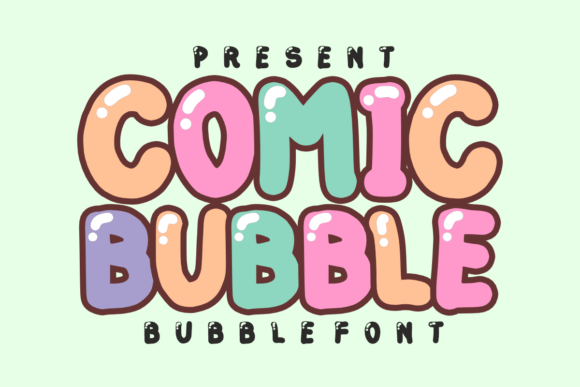
The moment you see Comic Bubble, you understand its appeal. The letterforms are chunky and pillow-like, with edges so perfectly rounded they almost look edible. There's a glossy, reflective quality built into the design that gives each character a three-dimensional appearance, as if the letters were inflated balloons or drops of liquid candy hovering above the page. The multi-colored fills add another layer of depth, making the font feel alive and dynamic even in static applications.
What sets this creative font apart from other bubble-style typefaces is the precision of its execution. Many playful fonts sacrifice legibility for personality, or they look dated and amateurish. Comic Bubble manages to feel fresh and contemporary while honoring the classic bubble aesthetic that has delighted audiences for decades. The curves are smooth, the proportions are balanced, and the overall effect is one of effortless charm rather than over-the-top gimmickry.
Where This Font Truly Shines
Think about the brands and products that make people feel good. Ice cream shops, toy stores, children's clothing lines, candy companies, party supply businesses, family-friendly entertainment venues. These are natural homes for a typeface like Comic Bubble, but its versatility extends well beyond the obvious.
Packaging design is one area where this font can make an immediate impact. Imagine a bag of gourmet marshmallows with the brand name set in Comic Bubble—the font instantly communicates softness, sweetness, and indulgence without a single word of copy. The same principle applies to dessert packaging, snack foods, bath products aimed at kids, or any product where you want the visual identity to feel approachable and delightful.
For logo design, Comic Bubble works beautifully for businesses that want to project friendliness and accessibility. A children's dentist office, a neighborhood bakery, a daycare center, or a kids' clothing boutique could all build memorable brand identities around this typeface. The key is matching the font's energy to the brand's personality—if your business thrives on warmth and joy, this is a natural fit.
Social media graphics benefit enormously from fonts that stop the scroll. Comic Bubble has the visual weight and distinctiveness to grab attention in a crowded feed. Use it for Instagram story headers, Pinterest pins promoting kids' recipes, Facebook event graphics for community fundraisers, or TikTok overlays that need to feel energetic and fun. The font's built-in dimensionality means it looks great even at smaller sizes on mobile screens.
Don't overlook print materials either. Birthday invitations, baby shower announcements, school event flyers, church bulletin boards for children's programs, restaurant kids' menus, and fair or carnival promotional posters all benefit from typography that feels celebratory and inviting. Comic Bubble delivers that festive energy without feeling juvenile or condescending.
Pairing and Practical Application Tips
One of the most common questions designers have about display fonts is how to pair them with supporting typefaces. Comic Bubble is bold and expressive, which means it works best as a headline or accent font rather than for body text. For longer passages of information, pair it with a clean sans serif font—something like Open Sans, Lato, or Nunito will complement the playful energy without competing for attention.
If your project calls for a slightly more traditional feel in certain areas, a friendly serif font like Merriweather or Lora can provide an interesting contrast while maintaining readability. The goal is to let Comic Bubble do the heavy lifting in terms of personality while supporting typefaces handle the informational work.
Readability deserves special consideration with any creative font. Comic Bubble performs admirably at medium to large sizes, making it ideal for headlines, subheadings, logos, and callout text. At very small sizes, the decorative elements that make it so appealing can become muddied, so reserve it for applications where it can breathe. Test your designs at the actual size they'll be viewed—what looks perfect on a 27-inch monitor might be illegible on a smartphone screen or a printed business card.
Building Brand Recognition Through Typography
Consistency is the foundation of effective branding, and choosing a distinctive typeface like Comic Bubble can become a powerful brand asset. When customers see those rounded, glossy letterforms repeatedly across your packaging, website, social media, and marketing materials, they begin to associate that visual style with your business. This kind of typographic recognition is invaluable—it works subconsciously to build familiarity and trust.
Consider how some of the most recognizable children's brands use typography as a cornerstone of their visual identity. The font becomes inseparable from the brand experience. For small businesses and entrepreneurs, investing in a premium font that perfectly captures your brand's spirit is one of the most cost-effective branding decisions you can make. A single font license can unify your visual communications across dozens of applications for years.
The key is intentionality. Don't choose Comic Bubble simply because it's cute—choose it because your brand genuinely lives in the space of joy, sweetness, and approachability. When font personality and brand personality align, the result feels authentic rather than forced.
Important Considerations Before You Commit
Before incorporating any commercial font into your workflow, take time to understand the licensing terms. Most premium fonts come with specific usage rights that cover everything from web embedding to merchandise production. If you plan to use Comic Bubble on products you sell—t-shirts, mugs, stickers, printed goods—make sure your license covers that application. Reputable font designers are transparent about these terms, and respecting licensing agreements protects both you and the creator.
Also, explore the full character set and any alternate styles included with the font. Many premium typefaces offer multiple weights, stylistic alternates, or special characters that can add variety to your designs. Understanding the full range of what's available helps you get maximum value from your investment and keeps your designs feeling fresh across different applications.
Finally, always preview the font in context before finalizing a design. Type out the actual words and phrases your project requires—brand names, headlines, taglines—and evaluate how they look at the sizes you'll actually use. Some letter combinations work better than others in any typeface, and a quick preview can save you from unexpected surprises down the road.
Comic Bubble represents something increasingly rare in modern typography: a font that prioritizes genuine emotional connection over trendiness. In a design landscape often dominated by minimalist sans serifs and austere editorial typefaces, there's real value in a typeface that simply makes people happy. For the right project and the right brand, that joyful energy isn't just decorative—it's a strategic advantage that resonates with audiences and creates lasting impressions.